Abstract
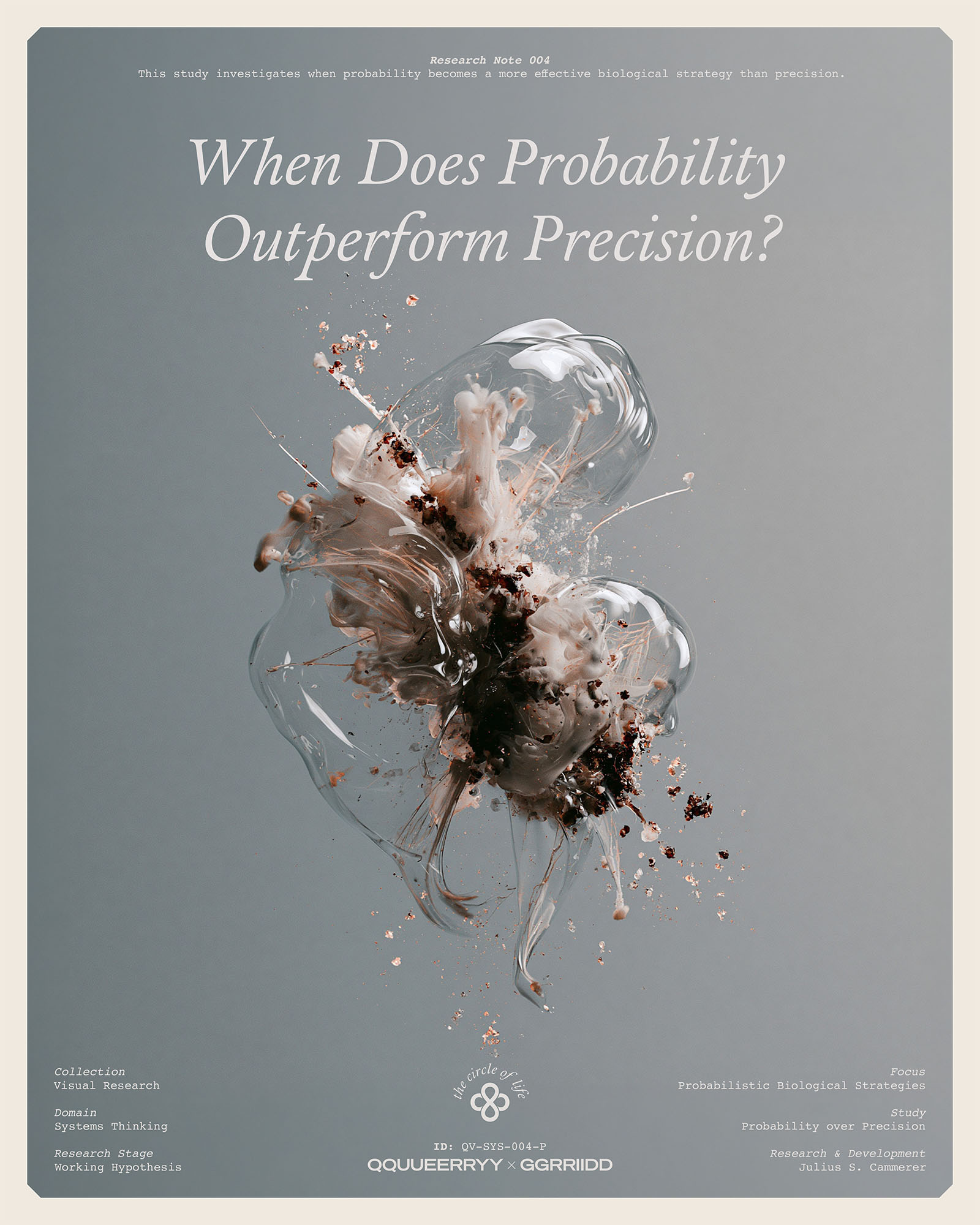
One of the most common assumptions in human thinking is that success depends on precision. We value accuracy, control and predictability because they appear to reduce uncertainty. Yet many living systems seem to follow a remarkably different strategy.
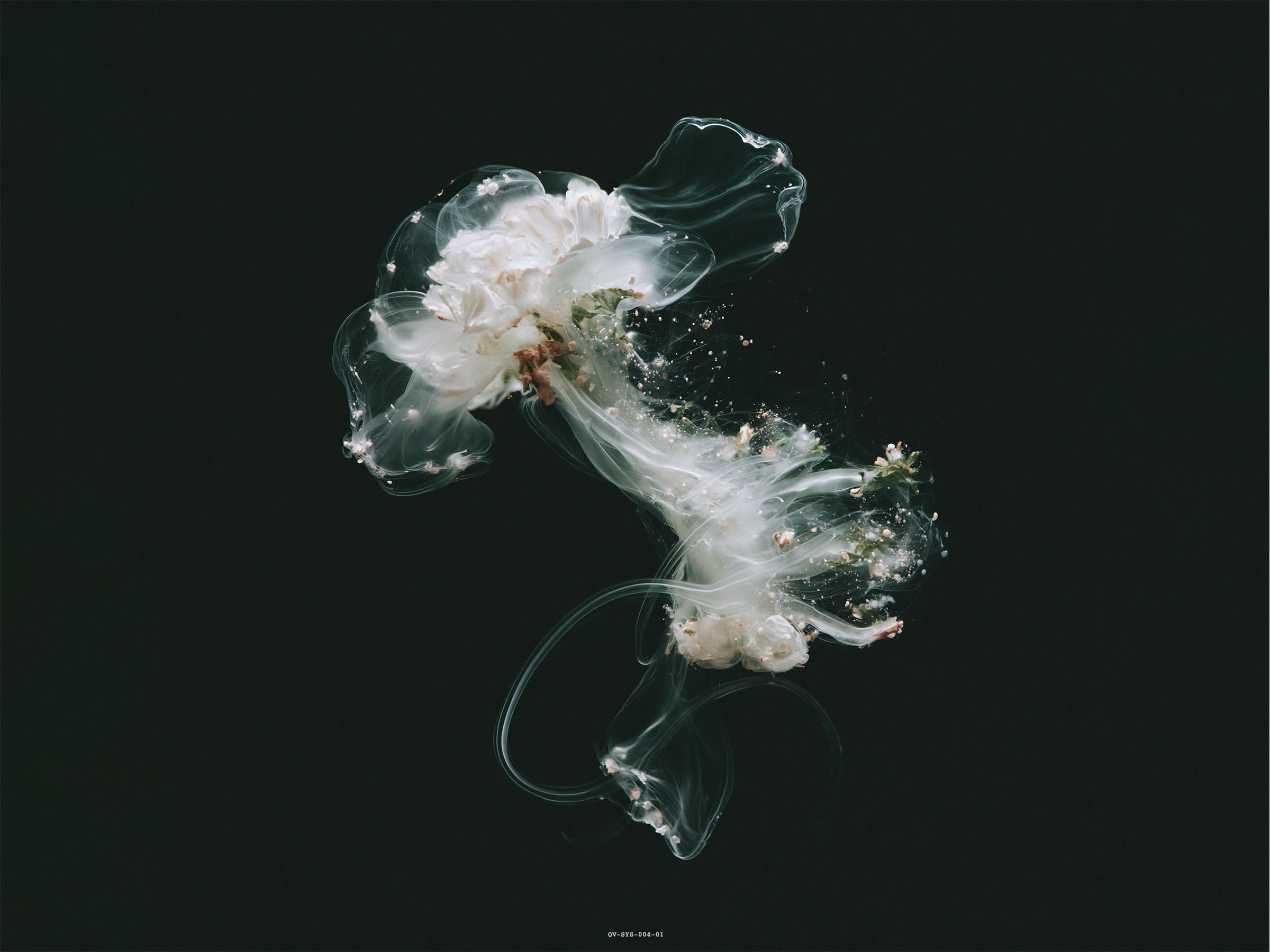
Rather than directing every outcome toward a predetermined destination, they increase the likelihood of success by distributing countless independent opportunities. Seeds are released into the wind, spores disperse through turbulent air and pollen travels across unpredictable landscapes. None of these systems attempts to control where each individual particle will arrive. Instead, they rely on probability.
This Research Note explores whether precision is always the most effective biological strategy, or whether living systems often achieve resilience through distribution, redundancy and uncertainty. Rather than examining a single organism, it investigates a recurring principle that appears throughout nature: success emerging from probability instead of precision.
The Question
When does probability outperform precision?
The question seems almost contradictory. Precision is commonly associated with quality, while probability often appears uncertain or incomplete. Across engineering, design and everyday decision making, success is frequently measured by the ability to predict, control and optimize outcomes.
Living systems suggest another possibility.
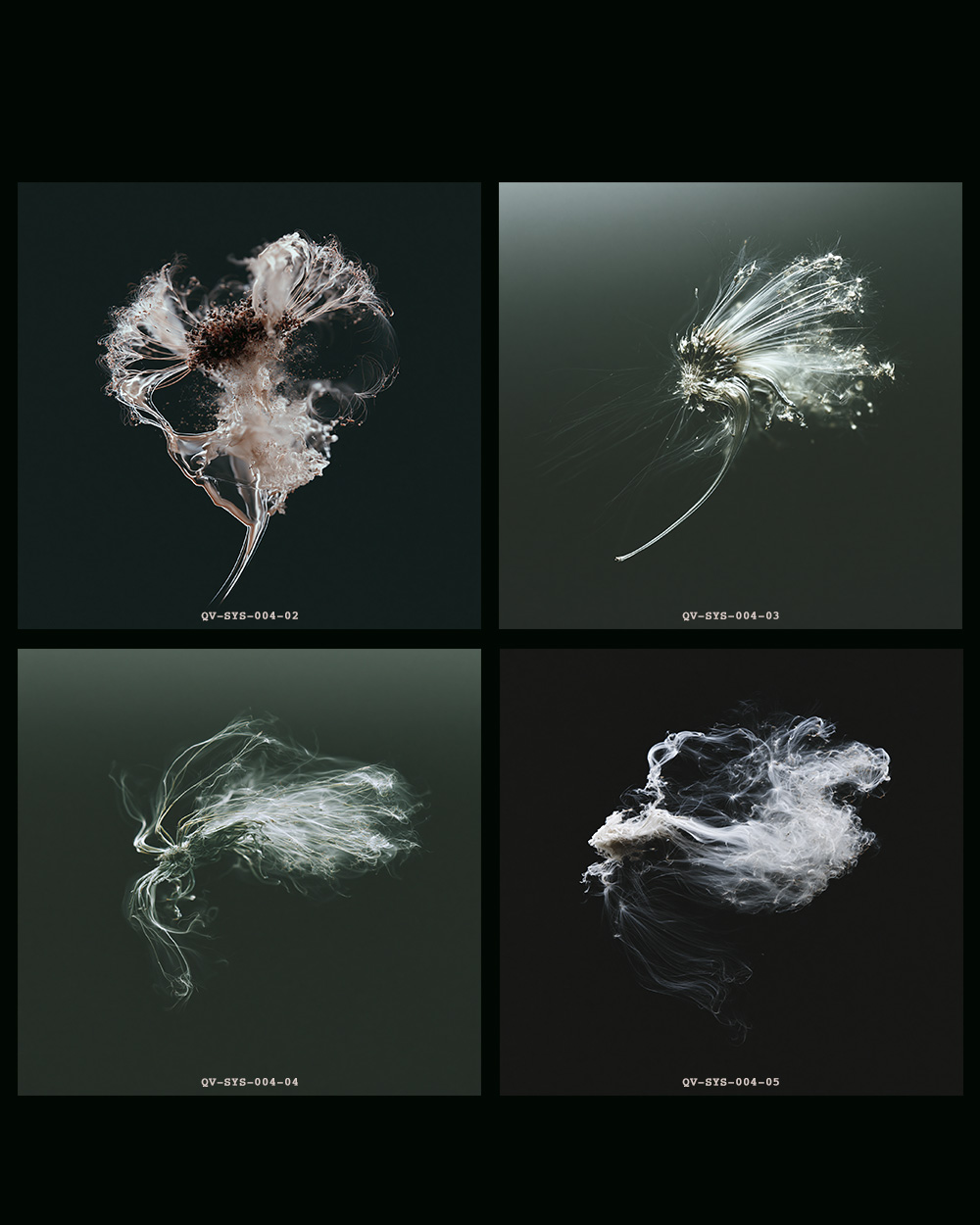
A dandelion does not direct every seed toward the perfect location. A fungal network does not predict where each spore will establish itself. Coral colonies, marine larvae and countless other organisms release enormous numbers of propagules into environments they cannot control. Their success depends less on certainty than on the statistical advantages created by variation, redundancy and distribution.
This investigation does not ask whether precision is valuable. Instead, it asks whether precision is always the most effective biological strategy, or whether uncertainty itself can become an adaptive advantage.
First Observations
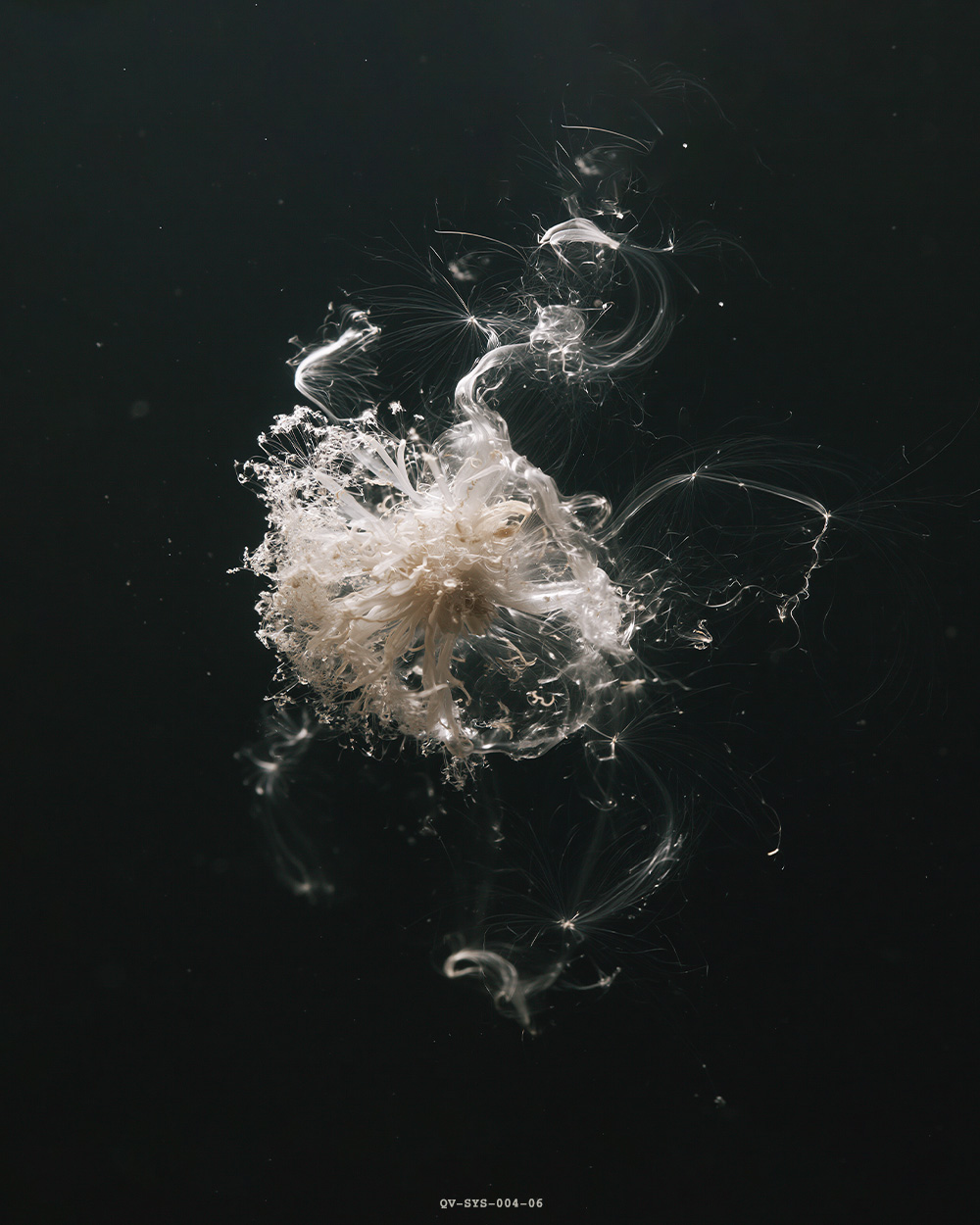
At first glance, dispersal appears surprisingly inefficient. A single seed released into the wind has no guarantee of reaching a suitable environment. Most spores never germinate. Much of the pollen produced by flowering plants never contributes to reproduction. From the perspective of precision, these strategies seem wasteful. Yet they persist across an extraordinary diversity of living systems. The more examples are compared, the clearer a recurring pattern becomes. Success is not achieved by directing every individual element toward a predefined target. Instead, organisms increase the probability of success by generating many independent opportunities. Rather than reducing uncertainty, they appear to work with it.
This shift in perspective raises an intriguing possibility. Perhaps uncertainty is not merely tolerated by living systems. Perhaps, under certain conditions, it becomes part of the strategy itself.
Looking Closer
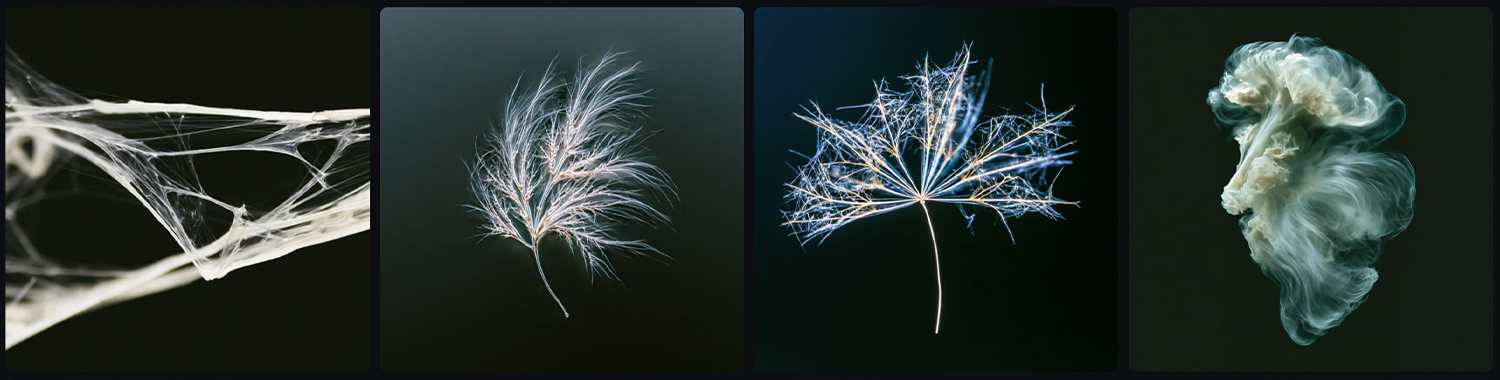
As observation continues, the focus gradually shifts away from individual organisms and toward the processes they share.
The familiar image of a dandelion seed drifting through the air becomes only one example among many. Fungal spores disperse through turbulent atmospheres. Ferns release microscopic spores into unpredictable environments. Marine organisms entrust reproduction to ocean currents. Trees produce thousands of lightweight seeds without determining where any single one will land.
Although these systems differ enormously in scale, habitat and evolutionary history, they appear to follow a remarkably similar principle. None attempts to eliminate uncertainty. Instead, each increases the likelihood of success by distributing many independent possibilities across changing environments. The question is no longer how a single seed reaches its destination. The question becomes why so many living systems rely on probability instead of precision.
Research Observations
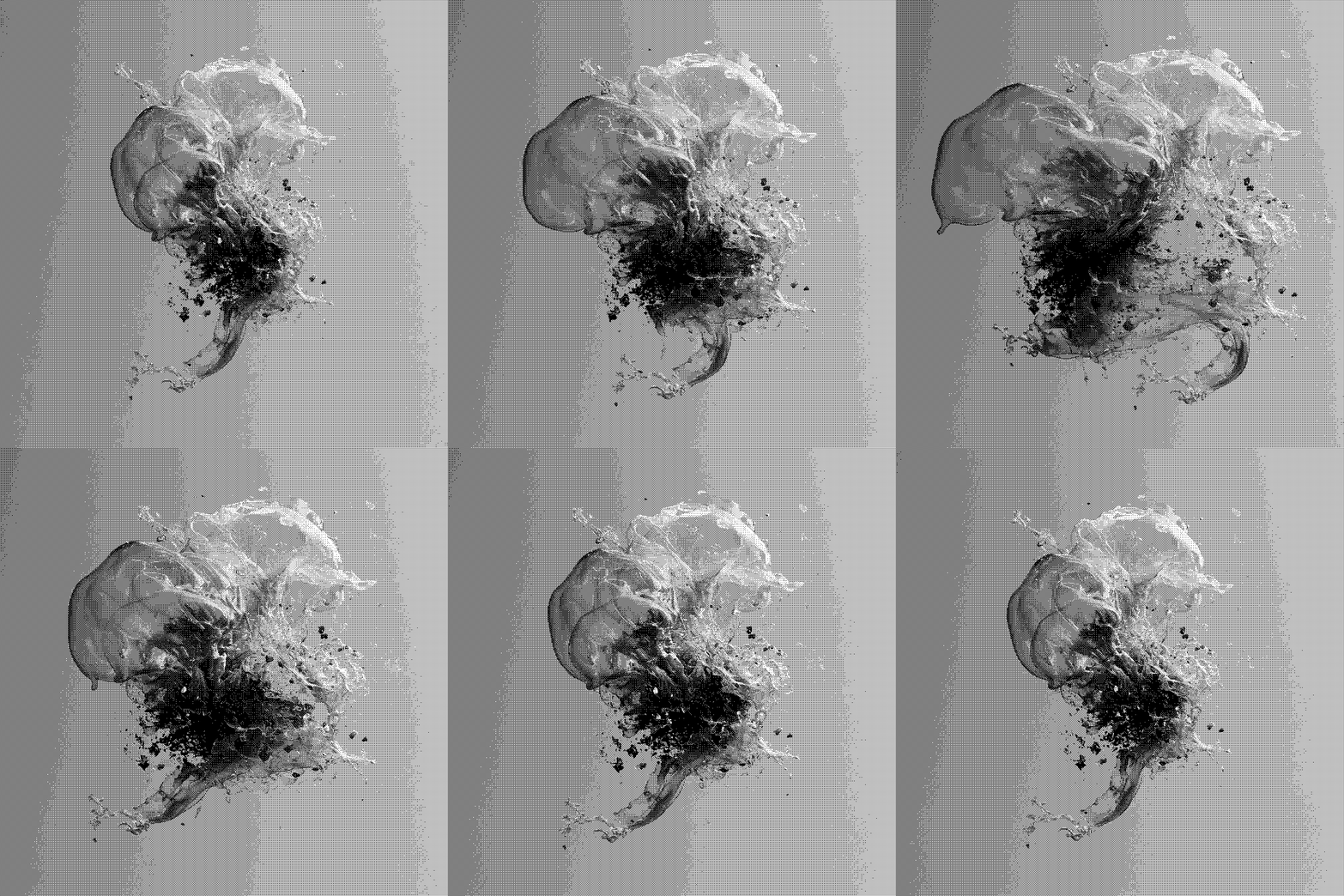
Variation, redundancy and environmental interaction often contribute more to long-term resilience than precise control of individual events.
Observation 01
Probability repeatedly appears as a biological strategy for increasing the likelihood of success under uncertain conditions.
Observation 02
Rather than controlling individual outcomes, many living systems distribute numerous independent opportunities across space and time.
Observation 03
Variation, redundancy and environmental interaction often contribute more to long-term resilience than precise control of individual events.
Biological Context
The widespread use of probabilistic strategies is well documented throughout biology. Plants release seeds into unpredictable environments, fungi disperse spores through atmospheric turbulence and countless marine organisms entrust reproduction to ocean currents. In each case, the environment remains largely uncontrollable, making precise targeting both energetically expensive and biologically unrealistic.
Rather than maximizing certainty, these systems increase the probability of success through large numbers of independent events. Evolution does not determine which individual seed, spore or larva will survive. Instead, natural selection acts across populations over time, favoring strategies that remain effective despite uncertainty.
From this perspective, probability is not the opposite of biological efficiency. Under many environmental conditions, it appears to be one of its most effective expressions.
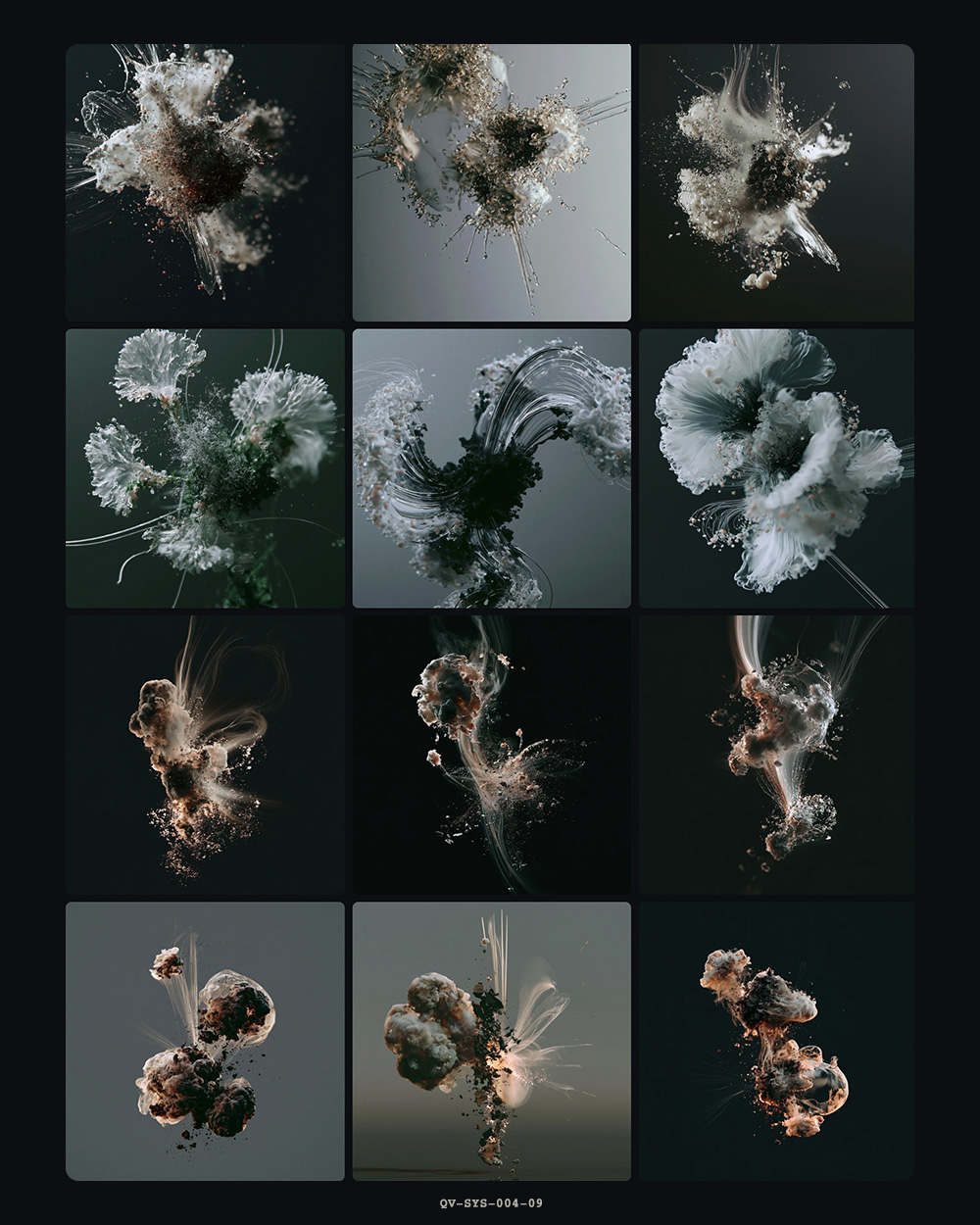
“Living systems often succeed not by controlling every outcome, but by increasing the probability that some outcomes will succeed.”
Reflection
Human thinking often associates success with precision. We admire systems that predict accurately, eliminate uncertainty and consistently produce the same result. Living systems appear to challenge this intuition.
This investigation suggests that uncertainty is not always a weakness to overcome. Under certain conditions, it may become an essential component of adaptation itself. By distributing countless independent opportunities instead of relying on a single predetermined outcome, biological systems remain capable of responding to environments that cannot be fully predicted or controlled.
The purpose of this Research Note is not to argue against precision. Precision remains indispensable in many biological and human contexts. Instead, the question is whether precision is always the most adaptive strategy.
Perhaps living systems remind us that resilience sometimes emerges not from certainty, but from the willingness to leave room for chance.
Continue the Research
Every Research Note represents a snapshot within an ongoing investigation into the principles that organize living systems. Rather than documenting individual organisms, QQUUEERRYY increasingly explores recurring biological strategies that appear across species, environments and scales. Each study contributes another piece to a growing archive examining how life organizes, adapts and persists under continuously changing conditions. This investigation is therefore not intended as a conclusion, but as an invitation to continue observing.
Further Questions
- Under which environmental conditions does probability outperform precision?
- Why do so many living systems rely on distribution rather than control?
- How do variation and redundancy increase long-term resilience?
- Which biological systems combine precision and probability within the same strategy?
- Can probabilistic strategies emerge without centralized control?
References
- Charles Darwin
On the Origin of Species - Ernst Mayr
What Evolution Is - Douglas J. Futuyma
Evolution - John Tyler Bonner
Why Size Matters - Steven A. Frank
Dynamics of Cancer: Incidence, Inheritance, and Evolution (Population thinking and probability in biological systems) - Simon A. Levin
Fragile Dominion: Complexity and the Commons - James Gleick
Chaos: Making a New Science - Donella H. Meadows
Thinking in Systems
Suggested Reading
- James Gleick - Chaos: Making a New Science
- Donella H. Meadows - Thinking in Systems
- Steven Vogel - Life in Moving Fluids
- Simon A. Levin - Fragile Dominion
- Peter Godfrey-Smith - Darwinian Populations and Natural Selection
- John Tyler Bonner - Why Size Matters
Research Information
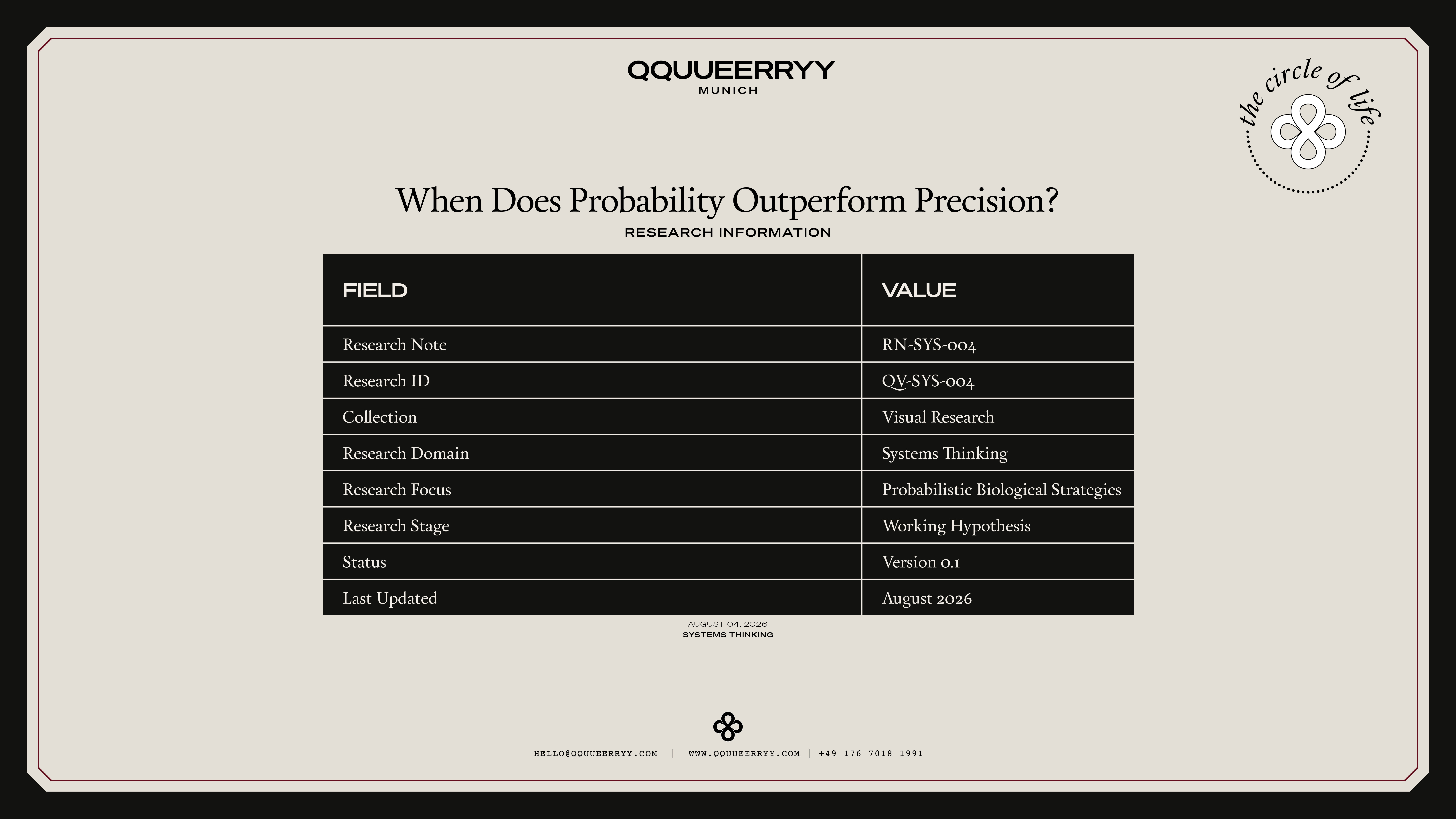
Method Statement: QQUUEERRYY is grounded in an iterative research methodology combining biological inquiry, scientific literature, systems thinking, observation, writing, curation and visual communication. This visual was developed within this research process and may incorporate generative artificial intelligence as one of several tools used to support exploration, visualization and communication.
Every answer creates another question. The investigation continues.